The Player/Coach Problem
Jay Leno's Garage won an Emmy because one person who understood both the craft and the system refused to separate them.
The best job I ever had was one that technically did not exist.
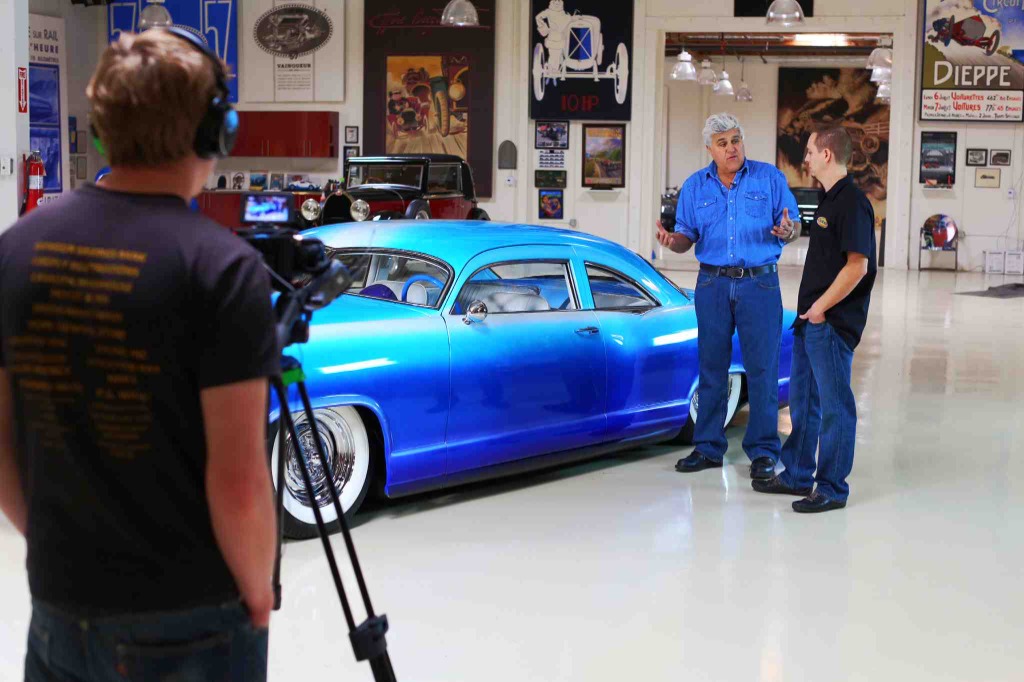
In 2007, I stood in the hangar in Burbank. The air smelled of motor oil and old leather. Jay Leno stood next to me. He was pointing at a rare steam-powered engine. He was talking about the mechanical beauty of the craft.
I pitched him a web series.
At the time, there was no template. We had no digital showrunner role. NBC had no budget for original web content.
But I understood something the strategy decks did not. The audience was already there. They just needed a reason to stay.
So I became the player and the coach. I co-created the show. I produced it. I ran the team. I managed the pipeline. More importantly, I understood the technology. I knew what we could ship and what was a fantasy.
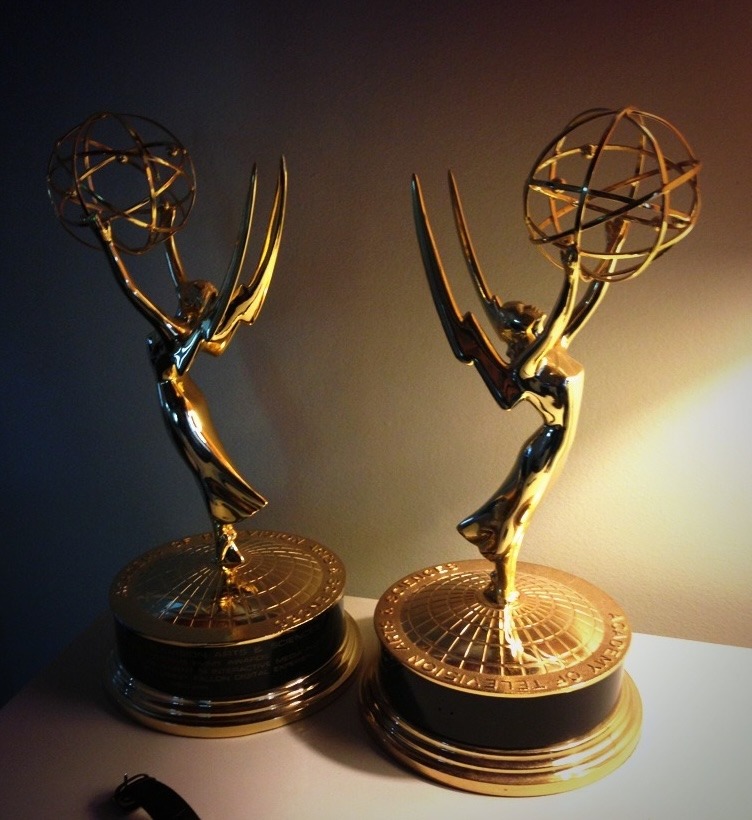
Jay Leno's Garage won an Emmy. It did not succeed because of a corporate strategy. It succeeded because one person understood both the craft and the system. I refused to separate them.
The Split That Does Not Work
Somewhere along the way, the industry made a mistake. They decided that maker and leader were different tracks. You either climb into management and stop touching the work. Or you stay in the trenches and never steer the ship.
I have watched this play out everywhere.
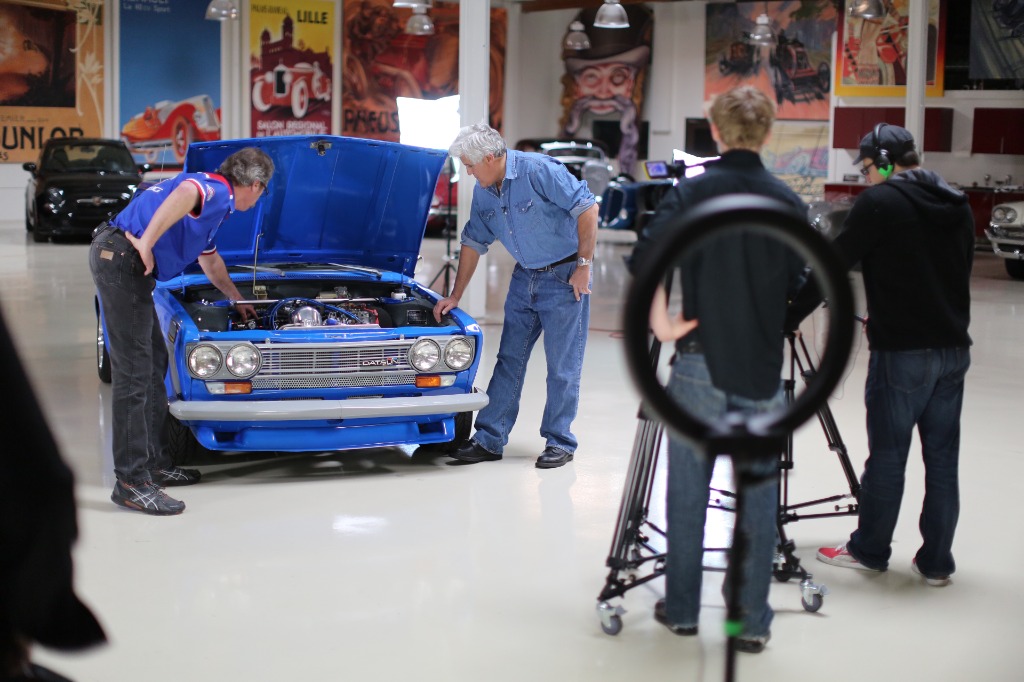
The best Creative Directors could still edit. They could still shoot. They could still write copy under a deadline. They led with credibility. The team knew they understood the work from the inside.
The worst leaders had been promoted far from the craft. They could not evaluate what they approved. They managed process. They did not understand product. The leader who stops touching the craft loses the authority to steer it.
The Comcast Lesson
When Comcast acquired NBCUniversal in 2011, our digital team changed. We went from a content creation engine to a spreadsheet exercise. Consultants scaled down the creative team to maximize profit.
The people making the decisions did not make things. They managed spreadsheets. When you manage spreadsheets, a creative team looks like a cost center. It does not look like an engine.
The player/coaches left. The coaches stayed. And YouTube ate their lunch.
Why This Matters Now
I am watching the exact same pattern repeat with automated systems.
Every company is hiring automation strategists and innovation directors. These are coaches. They write frameworks. They build slide decks. But the ones who will transform creative production are the ones who build. They do not work in theory. They work with their hands.
Right now, I am a producer with decades of experience. I also write firmware for custom circuit boards. I design hardware enclosures in CAD. I code a local operating system and build iOS apps.
I do not do this to pad a resume. I do it because the tools I need do not exist.
When someone says we could use an algorithm, I do not just nod. I do not assign it to a vendor. I know the pipeline. I know the data. That knowledge does not come from a deck. It comes from building.
The Trap
Organizations promote their best makers into roles where they stop making. Then they wonder why the work gets safe.
The antidote is not complicated: keep building. Keep building even when your title says you do not have to.
The future of creative leadership belongs to people who brief and build. Those who review a cut and understand the codec pipeline. Those who pitch a series and prototype the interface.
The player/coach is not a compromise. It is the highest form of the job.